
Roll Off Cables for Trucks & Trailers: The Ultimate Guide to Selection, Use, and Maintenance
If you work in waste management, construction hauling, or container transport, you’re likely familiar with roll off trucks and trailers – tough machines that rely on precision and durability to move heavy containers safely. At the heart of these vehicles is a critical component: the roll off cable.
Also called a roll off truck cable or roll off trailer cable, this heavy-duty steel cable ensures safe, efficient, and reliable container handling. In this guide, we’ll cover everything you need to know: from how roll off cables work, to key specifications, selection tips, and maintenance best practices.
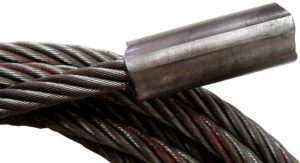
What Is a Roll Off Cable & Why It’s Essential?
A roll off truck cable or roll off trailer cable is a high-strength heavy-duty steel cable designed specifically for roll off trucks, trailers, and container-dumping equipment. Its primary purpose is to control the loading, unloading, and positioning of heavy containers, including:
-
Waste bins and recycling containers
-
Construction debris, gravel, or building materials
-
Shipping containers for short-distance transport
-
Heavy equipment or bulk storage containers in industrial settings
Unlike standard cables, roll off truck and trailer cables are engineered to withstand extreme tension, repeated use, and harsh outdoor conditions. When a roll off truck unloads a container, the cable works with the winch system to guide the load smoothly off the truck bed and back on securely for transport. The cable’s strength and reliability are critical to prevent accidents and ensure smooth operations.
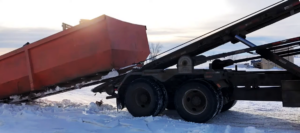
Key Specifications (And How to Choose)
Choosing the right cable is essential for safety and efficiency. Here’s what to look for:
1. Diameter
The cable’s diameter determines its load-bearing capacity:
| Diameter | Recommended Use | Load Capacity |
|---|---|---|
| 1/2 inch (12.7 mm) | Light to medium-duty trucks | Up to 10 tons |
| 5/8 inch (15.9 mm) | Standard trucks/trailers | 10–20 tons |
| 7/8 inch (22.2 mm) | Heavy-duty trucks | 20+ tons |
2. Length
The required length depends on the truck/trailer size and container distance:
| Length | Ideal For |
|---|---|
| 50 ft (15.24 m) | Compact trucks or short-distance unloading |
| 63 ft (19.2 m) | Most mid-size roll off equipment |
| 78 ft (23.8 m) | Full-size trucks or long containers |
3. Material & Construction
High-quality roll off cables are made from high-tensile steel wires twisted into strands and braided for maximum strength. Key features:
-
Zinc-plated or galvanized finish for rust and corrosion resistance
-
Flexible yet strong to handle repetitive use
-
Durable enough for outdoor, heavy-duty environments
4. End Fittings
Pre-installed fittings make connection to winches and containers easier. Common types include:
-
Ball joints
-
Pear-shaped rings
Selection Tip: Always match the cable’s diameter, length, and fittings to your truck and container. For loads over 15 tons, use 5/8 inch or larger. Longer reach? Opt for 63 or 78-foot cables. Always consult your manufacturer’s guidelines.
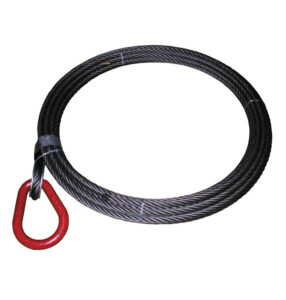
Why High-Quality Roll Off Cables Matter
Investing in a premium roll off cable isn’t just about durability – it’s about safety and performance. Here’s why quality matters:
-
Load-bearing reliability: Prevents snapping under heavy loads, avoiding spills or accidents.
-
Durability: High-tensile steel resists wear, corrosion, and fatigue, saving replacement costs.
-
Smooth operation: Works seamlessly with winch systems to avoid jams or sudden movements.
-
Customization: Suppliers often offer custom lengths and fittings for a perfect fit
Maintenance Tips to Extend Your Cable’s Lifespan
Proper care can make your roll off cable last years. Follow these best practices:
-
Regular inspections: Check for frayed wires, kinks, rust, or other damage before use. Replace immediately if damaged.
-
Keep it clean: Wipe the cable after use to remove dirt or debris that can cause abrasion.
-
Lubricate: Apply high-quality cable lubricant to reduce friction and prevent corrosion.
-
Avoid overloading: Never exceed the cable’s rated load capacity.
-
Proper storage: Keep the cable dry and covered when not in use to prevent moisture and UV damage.
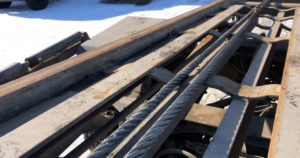
Common FAQs About Roll Off Cables
Q: How long does a roll off cable last?
A: With proper maintenance, a high-quality cable can last several years, even under heavy-duty use.
Q: Can I use a generic steel cable for my roll off truck?
A: No. Generic cables may not handle the specific tension and wear of roll off operations, posing safety risks.
Q: How do I know when it’s time to replace a cable?
A: Replace if you notice fraying, kinks, rust, or broken strands. Never use a compromised cable.
Final Thoughts: Choose the Right Roll Off Cable
Whether replacing a worn-out cable or outfitting a new fleet, the right roll off cable is essential for safe, efficient, and reliable operations. Focus on specifications like diameter, length, material, and end fittings, and follow maintenance best practices to maximize lifespan and minimize downtime.
Looking for custom roll off cables? Our high-tensile steel cables come in standard and custom sizes, with a range of end fittings to match your trucks and trailers. Fast shipping available for urgent replacements.
Contact us today to discuss your requirements, get a free quote, or explore our full range of roll off truck and trailer cables!
📧 [email protected]
🌐 www.qd-kailipu.com