The Ultimate Selection Guide to Steel Wire Rope Construction: A Must-Have Manual for Industrial Procurement
Introduction
Selecting the correct wire rope is critical for safety, performance, and service life. Different wire rope constructions offer varying levels of flexibility, abrasion resistance, fatigue resistance, and strength. Using the wrong construction can lead to premature wear, higher maintenance costs, and unexpected downtime.
This guide explains the most common wire rope constructions, their characteristics, and the applications for which they are best suited.
Understanding Wire Rope Construction
What wire rope construction means?
Number of strands and wires.
Core types (FC, IWRC, WSC).
In wire rope structure, the core is the central foundation around which the outer steel strands are wrapped. It acts as a cushion to maintain the rope’s shape, keeps the outer strands correctly positioned under tension, and directly impacts the rope’s strength, flexibility, and resistance to harsh environments.
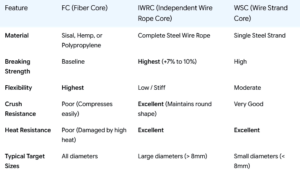
The three primary core types used in industrial applications are FC, IWRC, and WSC. Here is what they mean and how they compare:
FC (Fiber Core)
A Fiber Core is made of either natural fibers (like sisal or hemp) or synthetic polymers (like polypropylene).
Application Features: FC provides the highest level of flexibility and elasticity. It allows the wire rope to bend easily around smaller sheaves and drums, reducing bending fatigue. Additionally, natural fiber cores can absorb lubricants during manufacturing, slowly releasing them during operation to lubricate the inner wires.
Limitations: Fiber cores offer very low resistance to crushing, high temperatures, or heavy shock loads. Under extreme tension, an FC rope can compress or flatten, leading to structural deformation.
Best Used For: Standard traction applications, lighter conveyor belt systems, and general hoisting where flexibility is prioritized over extreme breaking strength.
IWRC (Independent Wire Rope Core)
An Independent Wire Rope Core is literally a smaller, self-contained steel wire rope placed inside the center of the larger main rope (e.g., a 7×7 structure acting as the core for a 6-strand rope).
Application Features: IWRC is the gold standard for heavy-duty industrial and maritime applications. It significantly increases the metallic cross-sectional area, boosting the rope’s total breaking strength by up to 7% to 10% compared to a fiber core of the same diameter. It provides exceptional resistance to crushing and flattening when the rope is spooled tightly or wound in multiple layers on a winch drum.
Limitations: Because it is entirely steel, an IWRC rope is noticeably stiffer and less flexible than an FC rope, requiring larger sheave and drum diameters to avoid premature cracking.
Best Used For: High-load crane hoists, oil derrick winches, mining vertical shafts, and heavy marine rigging where high breaking strength and crush resistance are mandatory.
WSC (Wire Strand Core)
A Wire Strand Core consists of a single steel strand placed in the center (typically the same structure as the outer strands, such as a 1 x 7 or 1×19 strand).
Application Features: WSC sits as a middle ground between FC and IWRC. It provides excellent radial stiffness and prevents the rope from flattening under pressure. Because it is a single strand rather than a full independent rope, it is generally found in smaller diameter wire ropes (usually under 8mm or 3/8 inches) where an IWRC would be too small or complex to manufacture.
Limitations: Like IWRC, it is vulnerable to high bending fatigue if wrapped around tight pulleys, but it lacks the advanced inner-strand flexibility that a true multi-strand IWRC offers in larger rope diameters.
Best Used For: Smaller diameter specialty ropes, specific rotation-resistant ropes (like 18×7-WSC used in oil pumping units), static guy wires, stay ropes, and control cables.
Comparison Table
How To Understand The Specifications And Construction of Wire Rope?
Key Factors When Selecting a Wire Rope
Flexibility
The Rule: More wires = greater flexibility.
Why It Matters: Ropes with a high count of finer wires (like 6x36WS) bend easily around pulleys and drums without cracking. This reduces structural stiffness and makes installation smoother, though the finer outer wires are more vulnerable to surface wear.
Abrasion Resistance
The Rule: Larger outer wires = better wear resistance.
Why It Matters: Ropes constructed with fewer, thicker outer wires (like 6×7) offer a robust shield against constant scraping. This is essential for equipment that drags against the ground, tracks, or harsh materials, such as slope winches and bailing systems.
Fatigue Resistance
The Rule: High wire count + line-contact design = better bending fatigue life.
Why It Matters: Ropes running continuously over sheaves experience repetitive bending stresses. Choosing a line-contact structure (like 6x25F or 6x36WS) evenly distributes internal stress, preventing individual wires from snapping prematurely due to metal fatigue.
Crushing Resistance
The Rule: Steel core (IWRC/WSC) + compacted strands = maximum crush resistance.
Why It Matters: In multi-layer drum winding, the underlying rope layers are subjected to immense squeezing forces. A steel core maintains the rope’s perfectly round shape under tension, preventing it from flattening, pinching, or prematurely deforming on the winch.
Rotation Resistance
The Rule: Multi-layer, counter-twisted strands = zero spin.
Why It Matters: When a single-part lifting system carries a load over high vertical distances, standard ropes naturally untwist and cause the load to spin dangerously. Non-rotating structures (like 35Wx7) use opposing inner and outer strand layers to cancel out torque and keep the load perfectly steady.
Wire Rope Construction and Recommended Applications
| Purpose | Rope type | Structure/Construction | Comments | |
| Hoisting vertical shafts | Parallel laid wire rope | 6x19S、6x19W、6x25F、6x29F、6x26WS、6x31WS、6x36WS | ||
| Rotation resistant wire rope | 18×7、17×7、24Wx7、35Wx7 | |||
| Compact strand wire rope | 6xK19S、6xK25F、6xK29F、6xK26WS、6xK31WS、6xK36WS、18xK7、17xK7、24WxK7、35WxK7 | Lang lay is recommended | ||
| Shaft excavation (for building well) | Rotation resistant wire rope | 17×7、18×7、34×7、36×7、24Wx7、35Wx7 | ||
| Compact strand wire rope | 17xK7、18xK7、24WxK7、35WxK7 | |||
| Shaped strands with rope | 4Vx39S、4Vx48S | |||
| Balanced rope in vertical shafts | Rotation resistant wire rope | 18×7、17×7、34×7、36×7、35Wx7 | ||
| Compact strand wire rope | 17xK7、18xK7、24WxK7、35WxK7 | Use regular lay only | ||
| Shaped strands with rope | 4Vx39S、4Vx48S | |||
| Inclined shafts hoist | Parallel laid wire rope | 6×7 | Lang lay is recommended | |
| Blast furnace hoist | Parallel laid wire rope | 6x19S、6x25F、6x29F、6x26WS、6x36WS | ||
| The load-bearing capacity of vertical shaft tank tracks and ropeways | Rotation resistant wire rope | 18×7、17×7 | 推荐同向捻Lang lay is recommended | |
| Compact strand wire rope | 17xK7、18xK7、24WxK7、35WxK7 | |||
| Winch on slope | Parallel laid wire rope | 6x36WS、6x37S | Lang lay is recommended | |
| Belt conveyors and ropeway traction, cable cars | Parallel laid wire rope | 6x19S、6x19W、6x25F、6x29F、6x26WS、6x31WS、6x36WS | Lang lay is recommended.6X19W is not suitable for ropeways | |
| Petroleum Drilling | Sucker rod and oil pipe traction rope | Parallel laid wire rope | 6 x25F、6x26WS、6x29F、6x31WS、6x36WS | Fiber core or steel core |
| Rotation resistant wire rope | 18×7 | |||
| Compact strand wire rope | 6xK25F、6xK26WS、6xK29F、6xK31WS、6xK36WS、18xK7 | |||
| Wire rope for bailing sand | Parallel laid wire rope | 6×7 | ||
| Wire rope for drilling well | Parallel laid wire rope | 6x19S、6x25F、6x26WS、6x29F、6x31WS、6x36WS | Fiber core or steel core | |
| Compact strand wire rope | 6xK19S、6xK25F、6xK26WS、6xK29F、6xK31WS、6xK36WS | |||
| Winch’s wire rope for installing derrick | Parallel laid wire rope | 6x26WS-IWRC、6x31WS-IWRC、6x36WS-IWRC | ||
| Donkey head rope for oil pumping unit | Point contact steel wire rope | 6×19、6×37 | ||
| Rotation resistant wire rope | 18×7-WSC | steel core | ||
| Shallow-sea anchor ropes, mast-shaped derrick tension ropes | Point contact steel wire rope | 6×19、6×37 | steel core | |
| Excavating machinery | Parallel laid wire rope | 6x19S-IWRC、6x19W-IWRC、6x25F-IWRC、6x26WS-IWRC、6x29F-IWRC、6x31WS-IWRC、6x36WS-IWRC、6x24WS-RC | Lang lay is recommended | |
| Rotation resistant wire rope | 35Wx7、24Wx7 | |||
| Compact strand wire rope | 6xK19S-IWRC、6xK25F-IWRC、6xK26WS-IWRC、6xK29F-IWRC、6xK31WS-IWRC、6xK36WS-IWRC、6xK41WS-IWRC、35WxK7、24WxK7 | |||
| Rotary drilling rig | Parallel laid wire rope | 6x19S-IWRC、6x25F-IWRC、6x26WS-IWRC、6x29F-IWRC、6x31WS-IWRC、6x36WS-IWRC | ||
| Rotation resistant wire rope | 35Wx7、24Wx7 | |||
| Compact strand wire rope | 6xK25F-IWRC、6xK26WS-IWRC、6xK29F-IWRC、6xK31WS-IWRC、6xK36WS-IWRC、35WxK7、24WxK7 | |||
| Crane | Metallurgy | Parallel laid wire rope | 6x19S-IWRC、6x19W-IWRC、6x25F-IWRC、6x26WS-IWRC、6x29F-IWRC、6x31WS-IWRC、6x36WS-IWRC | |
| Dock, tower crane | Rotation resistant wire rope | 18×7、18x19S、18x19W、34×7、36×7、35Wx7、24Wx7 | ||
| Compact strand wire rope | 18xK7、35WxK7、24WxK7 | |||
| Shaped strands wire rope | 4Vx39S、4Vx48S | |||
| Other usages | Parallel laid wire rope | 6x19S、6x19W、6x25F、6x26WS、6x29F、6x31WS、6x36WS、8x19S、8x19W、8x25F、8x26WS、8x29F、8x31WS、8x36WS | ||
| Compact strand wire rope | 6xK19S、6xK25F、6xK26WS、6xK29F、6xK31WS、6xK36WS、8xK19S、8xK26WS、8xK31WS、8xK36WS | |||
| Shaped strands with rope | 4Vx39S、4Vx48S | |||
| Fishing trawl | Cross laid wire rope | 6×24、6×19、6×37 | Galvanizing | |
| Parallel laid wire rope | 6x24S、6x24W、6x19S、6x19W、6x26WS、6x31WS、6x36WS、6x37S | |||
| Tiedown | Cross laid wire rope | 6×24 | ||
| Parallel laid wire rope | 6x24S、6x24W | |||
| Salvage operations | Parallel laid wire rope | 6x31WS、6x36WS、6x37S、8x19S、8x19W、8x31WS、8x36WS | Galvanizing | |
| Fixing mast and hangingbridge on ships | Cross laid wire rope | 6×7-WSC、6×19-WSC、6×37-IWRC | Galvanizing | |
| Parallel laid wire rope | 6x19S-WSC | Galvanizing | ||
| Towboat, cargo net for transporting woods | Cross laid wire rope | 6×24、6×37 | Galvanizing | |
| Parallel laid wire rope | 6x24S、6x24W、6x31WS、6x36WS、6x37S | Galvanizing | ||
| Ship loading and unloading | Parallel laid wire rope | 6x24S、6x24W、6x19S、6x19W、6x25F、6x29F、6x31WS、6x36WS、6x37S | ||
| Rotation resistant wire rope | 18×7、18x19S、18x19W、34×7、36×7、35Wx7、24Wx7 | |||
| Compact strand wire rope | 6xK19S、6xK25F、6xK26WS、6xK29F、6xK31WS、6xK36WS、18xK7、35WxK7、24WxK7 | |||
| Shaped strands with rope | 4Vx39S、4Vx48S | Galvanizing | ||
| Steel works | Parallel laid wire rope | 6x19S-IWRC、6x19W-IWRC、6x25F-IWRC、6x29F-IWRC、6x31WS-IWRC、6x36WS-IWRC、6x37S-IWRC | ||
Application-Specific Wire Rope Recommendations
Choosing a wire rope based on industry-specific machinery is the fastest way to ensure operational efficiency and security. Below are the highly-targeted, application-specific wire rope recommendations most requested by global industrial procurement managers:
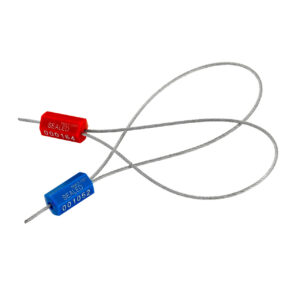
Best Wire Rope for Security Seals & Tamper-Evident Ties
Application Overview: Security seals used on shipping containers, logistics trucks, and utility valves require micro-diameter steel wire ropes that are highly flexible yet incredibly difficult to cut without specialized tools. These ropes must have a smooth surface for easy threading into aluminum or plastic locking bodies and offer excellent rust resistance during long-distance maritime transit.
Recommended Construction: 7×7, 1×7, 7×19 (Galvanized or Stainless Steel, typically in micro-diameters like 1.0mm to 2.5mm).
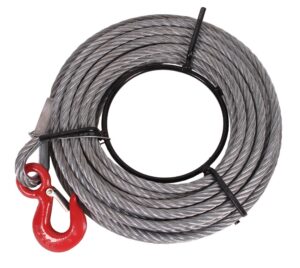
Utility & Winch Traction Wire Rope
Application Overview: For pulling heavy loads in recovery winches, towing vehicles, and agricultural pulling systems, traction ropes face constant abrasion against fairleads, ground terrain, and winch drums. These ropes require a robust outer wire layer to withstand friction while maintaining enough bendability to wrap around compact winch drums without forming kinks.
Recommended Construction: 6x19S-IWRC or 6xK19S (Compacted strand provides a smoother outer surface, reducing drum wear during repetitive traction operations).
Deep Mine Shaft & Heavy Hoisting Wire Rope
Application Overview: Vertical mine shafts and heavy industrial elevators operate under ultra-high lifts, massive payloads, and severe shock loads. Standard ropes will spin or experience severe bending fatigue in these environments. Sourcing managers for this niche must prioritize ropes that deliver an exceptional breaking strength-to-diameter ratio and offer advanced torque-canceling properties to prevent catastrophic failure.
Recommended Construction: 35Wx7, 35WxK7 (Compacted Rotation-Resistant), or 4Vx39S (Shaped Strand for specialized deep shafts).
Steel Cord for Rubber Belt Conveyors
Application Overview: In heavy industries like coal mining, cement manufacturing, and port terminals, long-distance belt conveyors rely on internal steel cords to handle the intense, continuous tensile loads. These specialized, small-diameter cords must have excellent rubber penetration and high zinc coating adhesion to prevent internal corrosion and belt delamination over decades of round-the-clock service.
Recommended Construction: Open-structure or high-elongation steel cords (e.g., 7×7, 7×19 configurations engineered specifically for rubber vulcanization bedding).
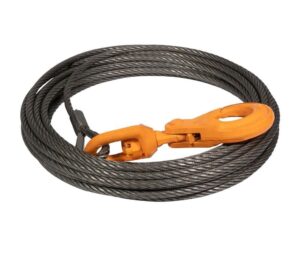
High-Tensile Trailer Safety & Tie-Down Wire Rope
Application Overview: Used as secondary safety tethers for industrial trailers, cargo lashing, and heavy equipment transport, these ropes must withstand sudden, extreme dynamic shock loads if a primary hitch fails. They require maximum weatherproofing (heavy galvanization or PVC/Nylon coating) to survive continuous outdoor exposure to rain, road salt, and UV rays without losing structural integrity.
Recommended Construction: 6×19-WSC or PVC-Coated 7×19 (Galvanized steel core provides ultimate break-load assurance under sudden impact).
Common Mistakes When Choosing Wire Rope
Choosing Based on Diameter Alone
Many buyers focus only on diameter and breaking strength.
Ignoring Sheave Diameter
Can dramatically reduce rope life.
Using Non-Rotation-Resistant Rope for Single-Part Lifts
May create dangerous load spin.
Neglecting Environmental Conditions
Corrosion often causes failure before wear.
Need Help Selecting the Right Wire Rope?
Every lifting application has unique requirements. Factors such as load capacity, operating environment, sheave diameter, drum design, and safety regulations all influence wire rope selection. Our engineering team can recommend the most suitable wire rope construction for your project and provide customized solutions for lifting, crane, mining, marine, offshore, and industrial applications.
As an established, full-range industrial steel wire rope supplier, we specialize in supplying global wholesalers, distributors, and machinery manufacturers with custom, high-precision wire rope solutions. From high-tensile rigging hardware to specialized compacted strand and non-rotating wire ropes, our entire catalog complies rigidly with international safety and quality certification standards. Whether you are looking for competitive container-load wholesale pricing or require detailed technical data sheets for engineering approval, reach out to our engineering procurement team today!
📧 Email: [email protected]
📞 WhatsApp : +86-18660236941
🔗 Related:
Roll Off Cables for Trucks & Trailers: The Ultimate Guide to Selection, Use, and Maintenance